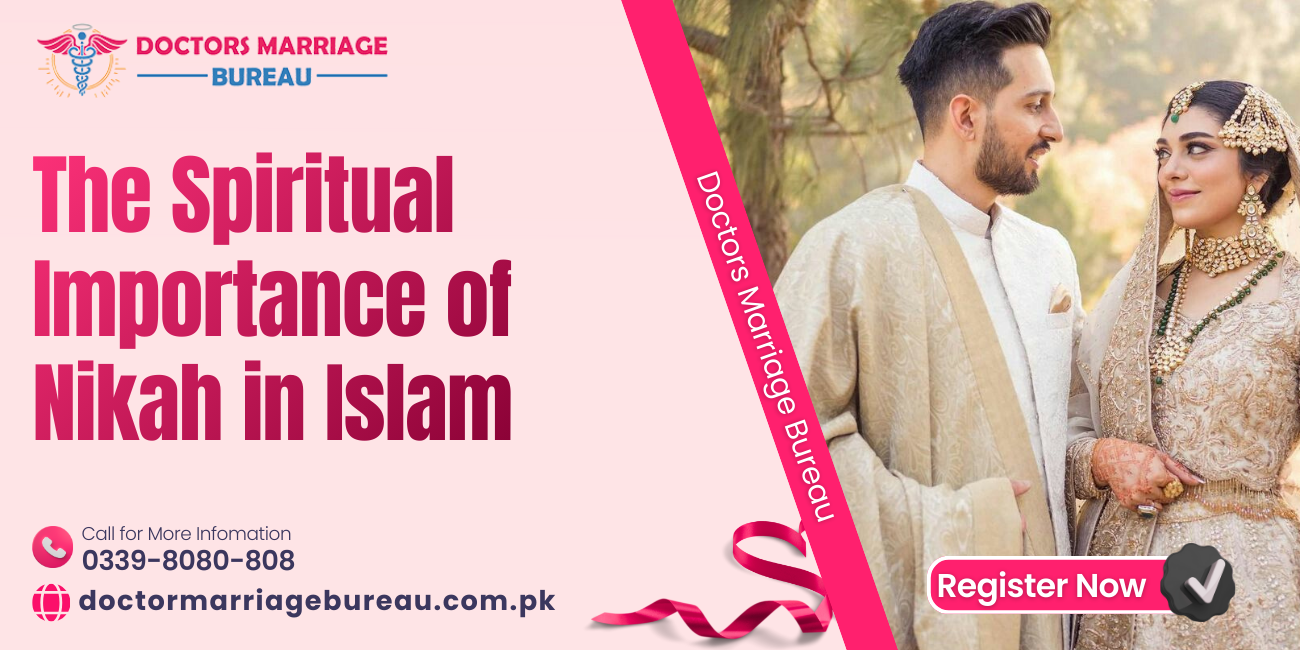
Nikah, or marriage, is one of the most significant and sacred institutions in Islam. It is not just a social contract, but a spiritual bond that brings two individuals together under the guidance and blessings of Allah. Islam emphasizes the importance of Nikah as a way to live a righteous, disciplined, and fulfilling life. In this article, we will explore why Nikah is important in Islam and the many blessings it brings.
A Sunnah of the Prophet (PBUH)
Nikah is a Sunnah of the Prophet Muhammad (peace be upon him), meaning it is a practice that he encouraged and lived by. The Prophet said:
“Marriage is part of my sunnah, and whoever does not follow my sunnah has nothing to do with me.” (Ibn Majah)
This shows how highly valued marriage is in Islam. Following the example of the Prophet (PBUH) brings blessings and helps a person live according to Islamic teachings.
Completion of Faith
Nikah is considered to be half of one’s faith. The Prophet (PBUH) said:
“When a person marries, they have completed half of their religion. So let them fear Allah regarding the remaining half.” (Al-Bayhaqi)
Marriage helps a person stay away from sins, guards modesty, and creates a halal way to fulfill natural desires.
Source of Peace and Love
The Qur’an describes marriage as a relationship filled with love, mercy, and tranquility:
“And among His signs is this, that He created for you mates from among yourselves, that you may dwell in tranquility with them, and He has put love and mercy between your hearts.” (Surah Ar-Rum 30:21)
A successful Nikah brings comfort and emotional support. It creates a peaceful environment where both partners grow together in faith and life.
Builds a Strong Society
Through Nikah, families are formed—the foundation of any strong society. Islam places great importance on family values, raising righteous children, and maintaining ties of kinship. A stable marriage contributes to a healthy, ethical, and compassionate community.
Protection from Sin
Marriage provides a halal way to satisfy physical and emotional needs. It protects individuals from committing zina (fornication) and helps preserve modesty and dignity. The Prophet (PBUH) said:
“O young people! Whoever among you is able to marry, should marry, for it helps him lower his gaze and guard his modesty.” (Bukhari and Muslim)
Responsibilities and Rights
Nikah is not just about love—it comes with rights and responsibilities. Islam outlines clear duties for both husband and wife. The husband must provide, protect, and treat his wife kindly. The wife must support, respect, and care for her husband. This mutual understanding strengthens the bond.
Encourages Patience and Teamwork
Marriage teaches patience, sacrifice, and teamwork. No relationship is without challenges. But facing those challenges together helps couples grow stronger. Islam encourages solving conflicts with kindness and understanding.
A Path to Barakah (Blessings)
Marriage invites Allah’s blessings in life. It brings emotional stability, increases sustenance, and strengthens one’s connection to the Creator. When done with the right intention and according to Islamic principles, Nikah becomes a means of earning rewards in both this life and the hereafter.
Conclusion
Nikah in Islam is more than a contract—it is a sacred covenant filled with responsibility, compassion, and purpose. It fulfills half of one’s faith, strengthens society, and brings peace and love into one’s life. Choosing a spouse with the right intention, for the sake of Allah, ensures that the marriage will be full of barakah and a source of happiness in both worlds. Whether you are seeking a partner or already married, remember the spiritual significance of Nikah and strive to fulfill its noble purpose.